#Industry News
Can Student Pilots Fly Alone? What You Need to Know About Solo Flight
Learning to fly is a step-by-step process, and one of the biggest milestones for a student pilot is the first solo flight. But can student pilots fly alone?
Yes. Student pilots can fly solo after meeting the applicable training, knowledge, and instructor endorsement requirements. However, they cannot simply decide to fly alone whenever they want. Solo flight privileges depend on the regulations of the country where the training takes place and the approval of a qualified flight instructor.
1.When Can a Student Pilot Fly Solo?
In the United States, the FAA requires a student pilot to meet specific requirements before conducting a solo flight. Before the first solo, the student must demonstrate the required aeronautical knowledge and receive appropriate flight training from an authorized instructor. The instructor must determine that the student has demonstrated the necessary proficiency and safety for solo flight.
A student pilot also needs the appropriate student pilot certificate and instructor endorsements before flying solo. The FAA states that the solo endorsement is recorded in the student's logbook and must be renewed according to the applicable requirements.
2.What Can a Student Pilot Do on a Solo Flight?
A first solo flight is generally conducted within the limitations established by the instructor and applicable regulations. A student pilot cannot automatically carry passengers or conduct every type of flight after completing the first solo.
For example, in the United States, a separate instructor endorsement is required for solo cross-country flights. Student pilots also cannot carry passengers before obtaining the appropriate higher-level pilot certificate.
The exact privileges and limitations vary depending on the country, aircraft category, training program, and type of solo flight.
3.Why Is a Good Aviation Headset Important for Student Pilots?
Clear communication is an important part of flight training. Student pilots need to communicate with instructors, other aircraft, and air traffic control when required by the operating environment.
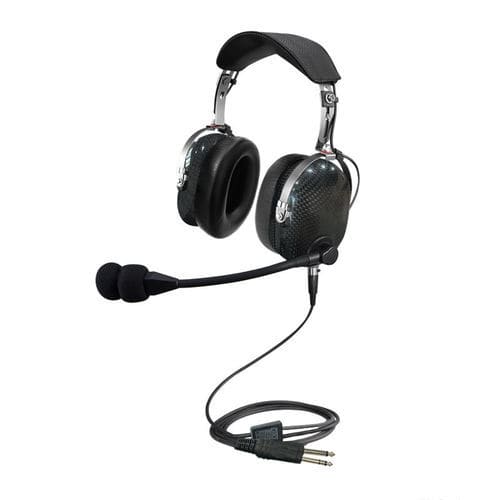
A professional aviation headset can help student pilots hear radio communications clearly while reducing distracting cockpit noise. A comfortable headset is also important during long training sessions, when pilots may need to wear it continuously for extended periods.
When choosing a headset for flight training, students should consider:
Clear voice and radio communication
Effective noise reduction
Comfortable fit for long flights
Reliable microphone performance
Compatibility with the aircraft's communication system
4.Inbertec Aviation Headsets for Student Pilots
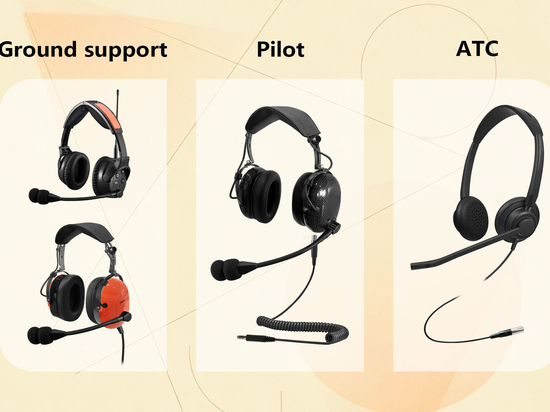
Inbertec provides professional aviation headsets designed for pilots and aviation communication applications.
With a focus on comfort, noise reduction, and clear communication, Inbertec aviation headsets help student pilots stay focused during flight training and communicate effectively with instructors and ATC when required.
A comfortable and reliable headset can support better communication throughout flight training, helping student pilots build good communication habits as they progress toward their pilot certificates.
Whether preparing for a first solo flight or continuing flight training, choosing the right aviation headset is an important part of a student's flight equipment.