
#Industry News
Ground Power Units – The Quiet Revolution on the Ramp
Green Airports
Sustainability in aviation doesn't begin at takeoff. It starts on the ground. As airports and operators strive to reduce emissions, noise, and operating costs, Ground Power Units (GPUs) are emerging as one of the industry's most effective—and often overlooked—technologies.
When discussing the future of aviation, the spotlight typically falls on Sustainable Aviation Fuel (SAF), hydrogen propulsion, or electric aircraft. Yet one of the most immediate opportunities to improve efficiency lies on the airport apron, long before an aircraft leaves the runway.
Even while parked at the gate or on the ramp, an aircraft requires a continuous supply of electrical power to operate cockpit systems, avionics, cabin lighting, maintenance equipment, and passenger services. Traditionally, this power has been provided by the aircraft's Auxiliary Power Unit (APU)—a small gas turbine that burns jet fuel while generating electricity and pneumatic power. Although highly effective, the APU consumes fuel, produces emissions, creates noise, and contributes to maintenance costs.
Ground Power Units offer a smarter alternative.
Powering Aircraft Without Burning Fuel
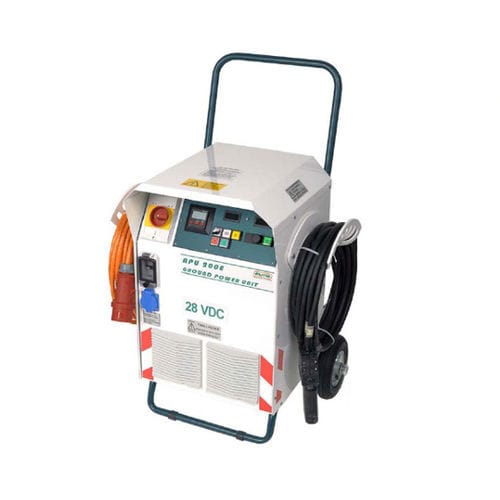
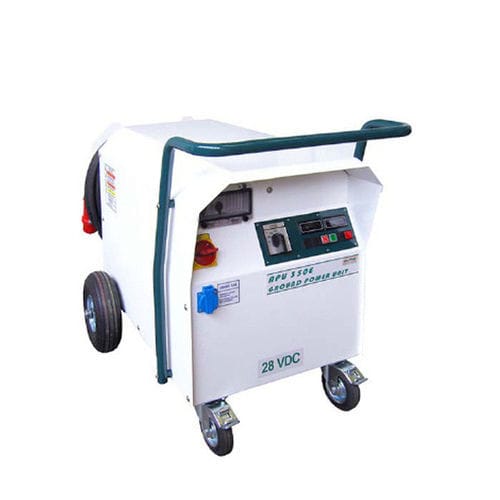
Ground Power Units provide external electrical power to aircraft during turnaround operations, allowing the APU to remain switched off. What appears to be a relatively simple piece of ground support equipment can have a significant impact on both sustainability and operational efficiency.
Every minute an aircraft relies on a GPU instead of its APU translates into lower fuel consumption, reduced CO₂ emissions, and a quieter airport environment. Across busy airports handling hundreds of daily movements, these savings quickly add up, benefiting airlines, airports, and surrounding communities alike.
There is also a clear economic advantage. Reducing APU operating hours lowers wear and tear on the turbine, extending maintenance intervals and reducing lifecycle costs for aircraft operators.
From Diesel Generators to Zero-Emission Solutions
Ground Power Units have evolved considerably in recent years. While conventional diesel-powered units remain in service at many airports, the industry is rapidly embracing cleaner technologies.
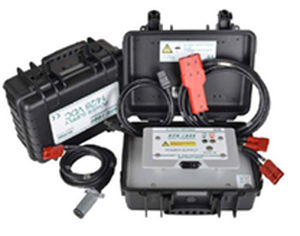
Electric GPUs connected directly to the airport's power grid provide reliable, quiet, and emission-free operation at the point of use. Battery-powered mobile GPUs offer additional flexibility, making them ideal for regional airports, business aviation, maintenance facilities, and remote parking positions where fixed infrastructure may not be available.
Looking ahead, manufacturers are investing in hybrid concepts and hydrogen-powered ground power systems, supporting airports' long-term decarbonization strategies and helping to create a more sustainable ground operation.
Smart Technology Takes Over the Apron
Modern Ground Power Units are no longer simply mobile power supplies. They are becoming intelligent, connected assets within the airport ecosystem.
Equipped with sensors, remote diagnostics, cloud connectivity, and fleet management software, today's GPUs provide operators with real-time information on energy consumption, equipment status, utilization rates, and maintenance requirements. Predictive maintenance enables service teams to identify potential issues before failures occur, maximizing equipment availability while reducing downtime.
As airports continue their digital transformation, connected GPUs are becoming an integral component of the emerging "Smart Apron," where data-driven operations improve efficiency across the entire ground handling process.
Combining Power and Comfort
An increasing number of airports are deploying integrated systems that combine electrical Ground Power Units with Pre-Conditioned Air (PCA). These systems not only supply electricity but also provide conditioned air for aircraft cabins, eliminating the need to operate the APU for climate control.
The benefits are substantial: lower fuel consumption, fewer emissions, reduced noise levels, and improved passenger comfort during boarding and turnaround operations. For airports seeking to achieve ambitious environmental targets, GPU and PCA combinations represent one of the most effective measures available today.
A Perfect Fit for Business Aviation
While major international airports continue to modernize their ground infrastructure, Business Aviation is also driving demand for compact and mobile GPU solutions.
Fixed-base operators (FBOs), maintenance organizations, and regional airports require equipment that is flexible, reliable, and capable of supporting a wide range of aircraft types. Mobile battery-powered GPUs are particularly attractive because they can be deployed quickly, reduce operating costs, and improve working conditions by eliminating engine noise and exhaust emissions on the ramp.
For operators focused on fast turnarounds and premium customer service, modern GPUs have become an increasingly valuable asset.
Looking Ahead
The evolution of Ground Power Units is far from over. Advances in battery technology, hydrogen fuel systems, autonomous vehicle integration, and artificial intelligence are expected to reshape ground support operations over the coming decade.
Future GPUs may navigate autonomously across the apron, connect to aircraft with minimal human intervention, optimize charging cycles based on operational demand, and seamlessly integrate into airport-wide energy management systems powered by renewable electricity.
As airports continue investing in smarter and more sustainable infrastructure, Ground Power Units will play an increasingly strategic role in reducing the environmental footprint of aviation.
More Than Just Ground Support Equipment
Ground Power Units rarely capture headlines, yet they are quietly transforming airport operations around the world. By reducing emissions, lowering fuel consumption, minimizing noise, and supporting digital airport ecosystems, GPUs deliver immediate environmental and economic benefits without requiring changes to the aircraft itself.
While the aviation industry continues its search for the next breakthrough propulsion technology, one of the most effective innovations is already making a difference every day—on the ground.