#Product Trends
Engine Maintenance Series: PW1000G
– Precision Tools for Daily Inspections and Safety
Engine Profile
Model: PW1000G (GTF – Geared Turbofan)
Primary Aircraft: Airbus A320neo Family (A319neo, A320neo, A321neo)
Maintenance Cycle: Daily/Transit Inspection, A-Check, C-Check, Shop Visit
Key Focus: Fan blade and LPC integrity, geared transmission system (gearbox) reliability, powder metal disk inspections, No.4 bearing scavenge tube leakage, borescope accessibility, and overall thermal efficiency & fuel burn performance
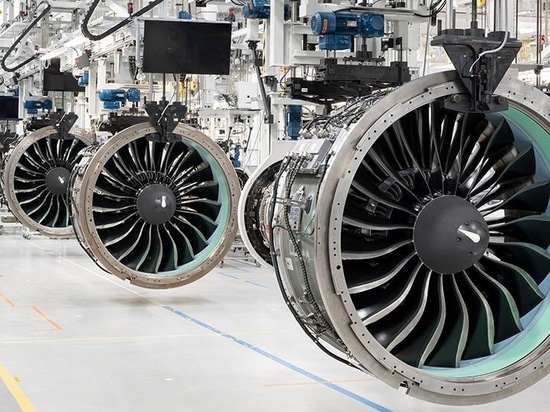
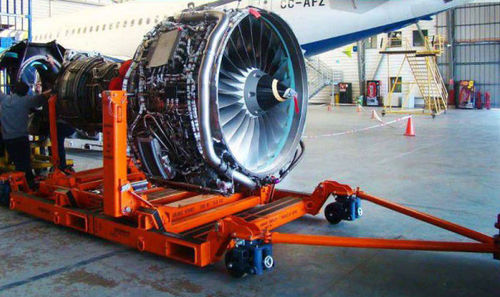
The PW1000G (GTF – Geared Turbofan) is a high-bypass-ratio geared turbofan engine developed by Pratt & Whitney. Its advanced gear system optimizes fan and low-pressure turbine speeds independently, delivering significantly better fuel efficiency, lower noise, and superior environmental performance. Primarily powering the Airbus A320neo family and EASA certified, it represents a key innovation in modern civil aviation. Ensuring flight safety and reliability, the PW1000G requires strict daily (line) maintenance in accordance with Pratt & Whitney’s EMM, Airbus AMM, and relevant Service Bulletins (SB).
1. Daily / Transit Inspection
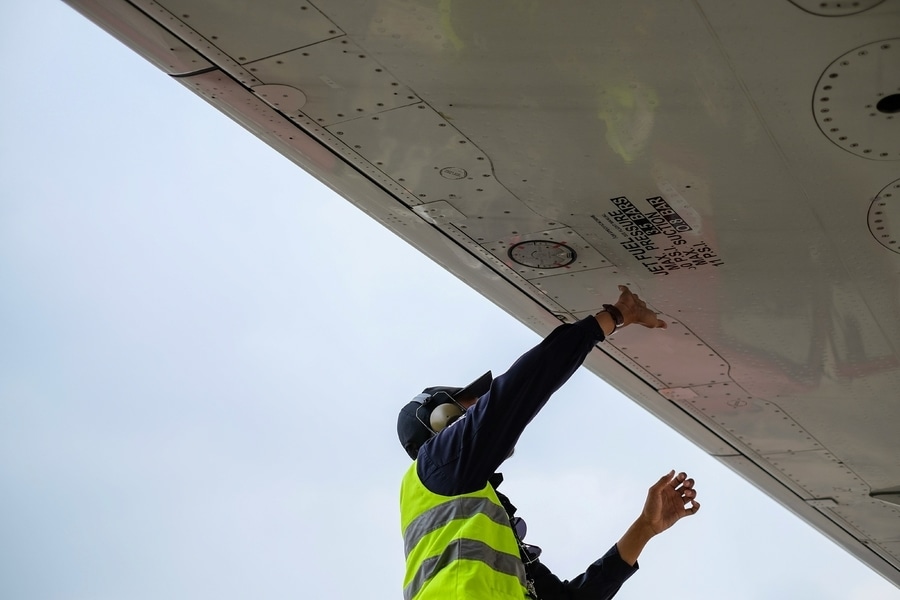
This is a rapid check performed before/after each flight or during transit stops, primarily using visual and basic functional tests to identify obvious defects.
Main Tools and Their Uses:
Inspection Light / Flashlight: Illuminates the air intake, fan blades, exhaust nozzle, and other areas to inspect for Foreign Object Damage (FOD), cracks, deformation, or corrosion.
Magnifier or Inspection Mirror (3X–10X): Provides magnified viewing of fan blade leading edges, tips, and surfaces to detect minor defects early.
Intake Cowl Protective Mat / Covers: Protects fan blades and the intake duct from accidental damage by personnel or tools during inspection.
UV Light + Fluorescent Leak Detection Agent: Used with fluorescent dye to reveal minor oil and fuel system leaks.
Oil Quantity Sight Glass or Dipstick Tool: Allows direct reading of engine oil quantity to monitor consumption trends. Note: Oil servicing must be performed within the strict time window specified in the AMM after engine shutdown.
These tools are straightforward to operate and enable quick completion of inspections, followed by assessment against the Minimum Equipment List (MEL) for dispatch.
2. A-Check and Short-Term Scheduled Maintenance
These are routine tasks performed at shorter scheduled intervals, involving lubrication of external mechanisms, replacement of consumables, and non-intrusive internal diagnostics.
Main Tools and Their Uses:
Borescope / Videoscope Kit + Specialized Guide Tubes (e.g., PWC113550 or equivalent): Inserted through designated engine inspection ports to examine the LPC (Low-Pressure Compressor), combustion chamber, HPT (High-Pressure Turbine), and other areas. Particularly critical for repeat inspections related to powder metal issues. It enables crack length measurement and blade condition assessment without engine disassembly.
Magnetic Chip Detector Removal & Inspection Kit (e.g., PWC111451 Series): Extracts the magnetic chip detectors from the Fan Drive Gear System (FDGS) and engine oil return lines without oil loss. Used with high-magnification lenses to inspect for micro-metal flakes, which is the primary method for monitoring early gearbox wear.
Oil/Fuel Filter Cap Wrench or Puller Tool: Safely removes and installs oil and fuel filter elements, checks differential pressure indicators (pop-up indicators), and avoids damage to sealing surfaces or system contamination. Must be used with torque tools for correct installation.
Torque Wrench + Adapters and Safety Lockwire Tools: Applies exact torque values specified in the AMM to all fasteners, preventing loosening or over-tightening that could cause leaks.
Lubrication Guns & Applicators for Airframe/Engine Interfaces: Used to apply approved grease exclusively to external mechanical linkages, thrust reverser tracks, or actuation joints (Internal bearings and the AGB are entirely lubricated by the closed-loop engine oil system).
FADEC/EEC Data Download Equipment (Portable Data Loader - PDL + Dedicated Cables): Reads and clears fault codes, verifies software versions, and performs functional tests.
3. Typical Specialized Maintenance Tasks and Tool Applications
No. 4 Bearing Scavenge Oil Tube Leak Inspection: Uses Borescope + specialized rigid guide tubes for visual detection of oil wetness or leaks around the bearing cavity, combined with cleaning tools and UV light for confirmation.
Igniter Plug / Ignition System Wear Assessment & Replacement: High-energy spark igniters on modern turbofans cannot have their gaps mechanically adjusted. Instead, a specialized wear gauge/caliper is used to measure electrode erosion. If limits are exceeded, a dedicated installation/removal socket wrench is used to replace the igniter plug assembly.
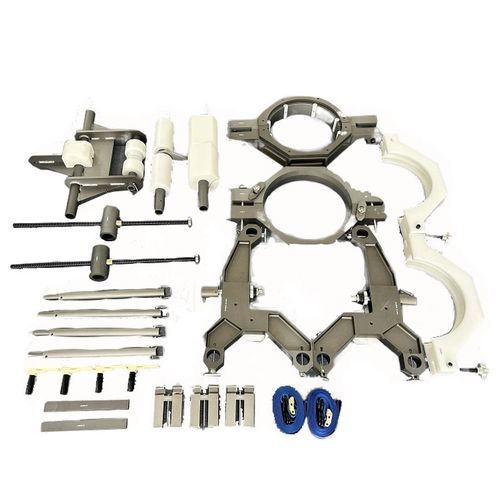
General Removal/Installation Support: Specialized guide pins (Locator Tools) and seal installation tools (e.g., PWC30862 / PWC50214) are used for precise alignment and scratch-free replacement of Line Replaceable Units (LRUs). Partial engine slings or straps are used when handling heavier external components.
Tool Management and Safety Essentials
Tool Compliance: PW1000G maintenance requires approximately 1,200 types of approved support equipment, with proprietary line-level tools identified by PWCxxxx or STxxxx part numbers. All tools must be AMM/EMM-approved models, regularly calibrated, and properly documented. Use of unapproved tools may cause component damage or compromise airworthiness.
Safety First: Before any work, follow the AMM “Before Maintenance” procedures (power isolation, fuel shut-off, cool-down periods, etc.). Special attention must be paid to hot surfaces, rotating components, and working at height. Maintenance personnel must complete Pratt & Whitney-specific training and hold appropriate certifications.
Documentation and Compliance: Every step, tool usage, and finding must be thoroughly recorded in technical logs and maintenance systems in accordance with CAAC, FAA, and EASA requirements. Due to historical powder metal issues, borescope inspections are especially critical, and operators must strictly track the latest Service Bulletins (SBs) and Airworthiness Directives (ADs).
The daily maintenance of the PW1000G emphasizes an “On-Condition” philosophy. Advanced tools enable efficient, non-intrusive inspections that reduce downtime and enhance reliability. Safety and regulatory compliance remain the eternal priorities in aviation maintenance.
Shanghai Junxun Aviation Technology Company always keep the idea that "Quality is Our Life", committed to providing professional products and excellent services to the global aviation industry.
As the global aviation industry continues to grow, Shanghai Junxun Aviation will persist in its commitment to innovation and quality, providing more international customers with high-quality products and services.