#Product Trends
Shenling PCA Units Support Airport Decarbonization in Brazil
Shenling's high-efficiency 400 Hz PCA units are helping three Brazilian airports reduce aircraft emissions, improve ground operation efficiency, and advance their decarbonization goals.
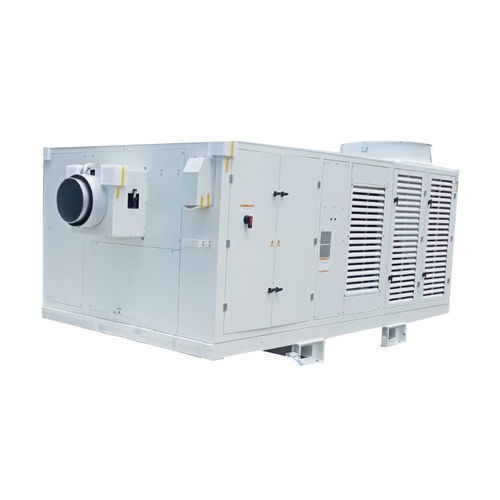
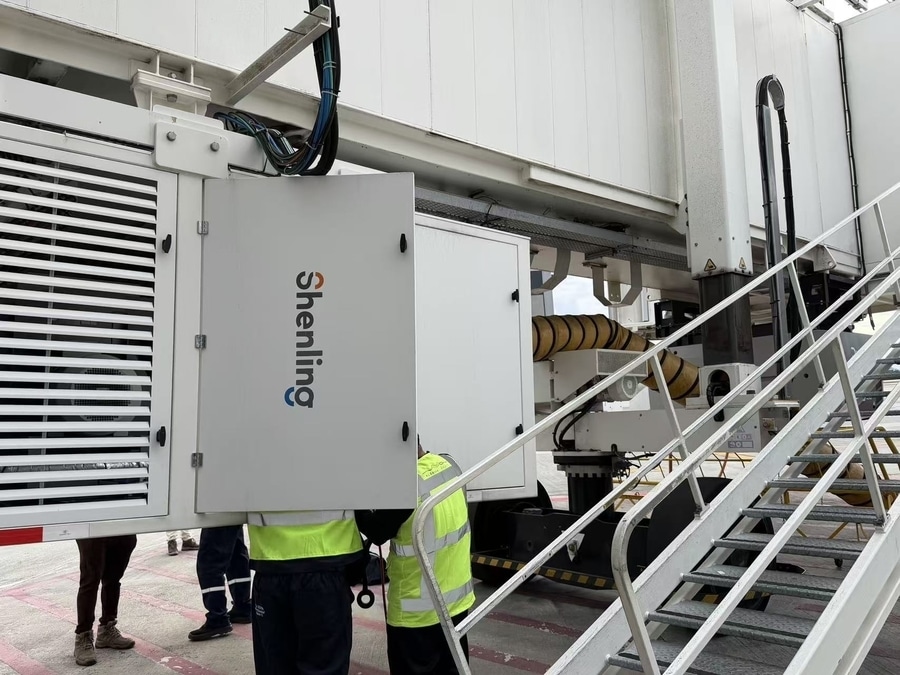
Shenling supports the sustainability journey of three major airports in Brazil - Florianópolis, Natal, and Vitória - by supplying high-efficiency Pre-Conditioned Air (PCA) units that help reduce aircraft emissions during ground operations.
Among these projects, Florianópolis International Airport achieved Level 4 in the Airport Carbon Accreditation (ACA) programme in 2025, making it the highest-accredited airport in Brazil and one of only three airports in Latin America and the Caribbean to attain this level, according to Airport Carbon Accreditation, the global carbon management certification programme for airports.
Over the course of just one year, Florianópolis International Airport reduced its carbon dioxide (CO₂) emissions from 377 tonnes in 2023 to 199 tonnes in 2024, marking significant progress toward its goal of achieving net-zero emissions by 2040.
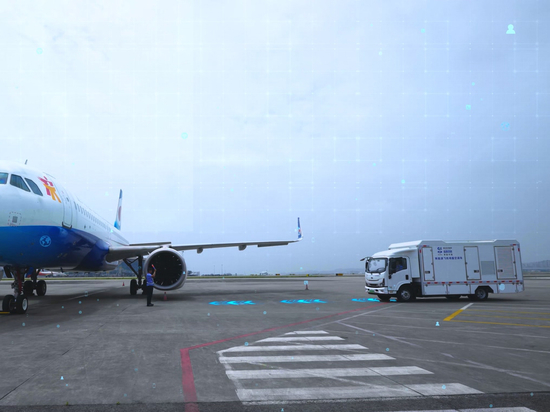
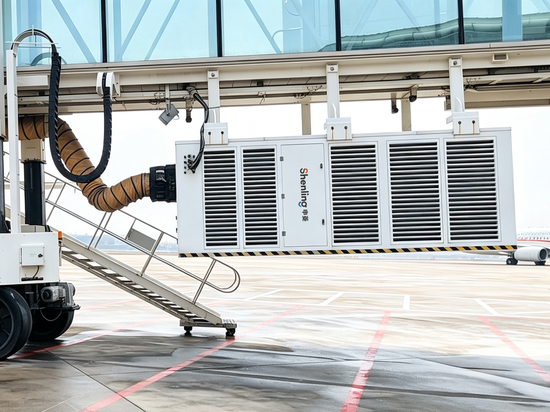
As part of its decarbonization strategy, the airport has deployed Shenling's Pre-Conditioned Air (PCA) units, enabling parked aircraft to receive conditioned air and electrical power from the ground instead of relying on their Auxiliary Power Units (APUs). By reducing APU operation during aircraft turnaround, the system helps lower fuel consumption, greenhouse gas emissions, noise, and operating costs while improving apron air quality.
According to project data, the implementation of Shenling's PCA solution has helped prevent approximately 2,734.7 tonnes of greenhouse gas emissions, equivalent to the annual carbon absorption of around 21,000 trees in Brazil's Atlantic Forest.
As airports worldwide accelerate their transition toward low-carbon operations, Shenling remains committed to delivering innovative and energy-efficient ground support solutions that help customers reduce emissions, improve operational efficiency, and build a more sustainable future for aviation.